What are we doing?
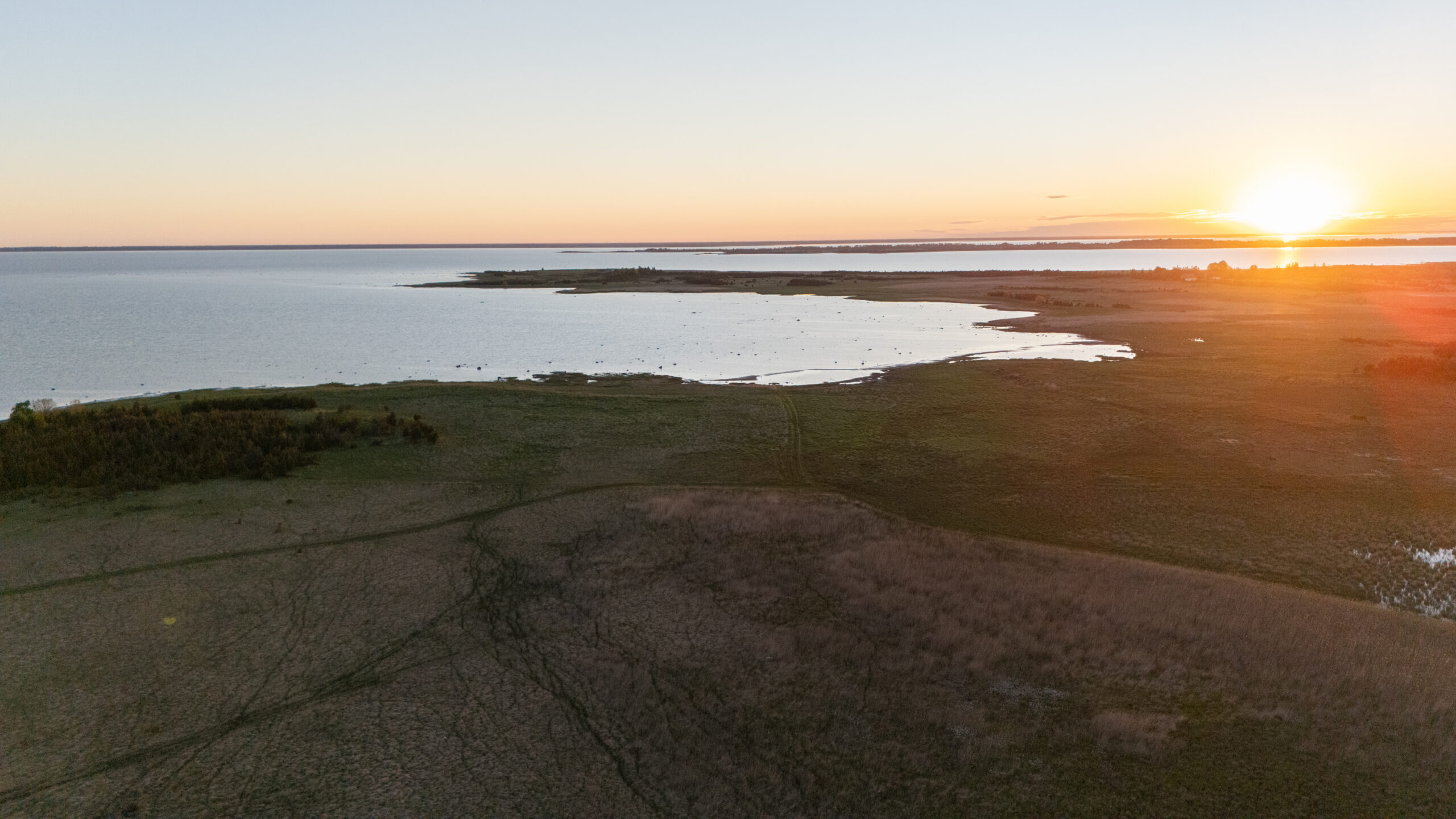
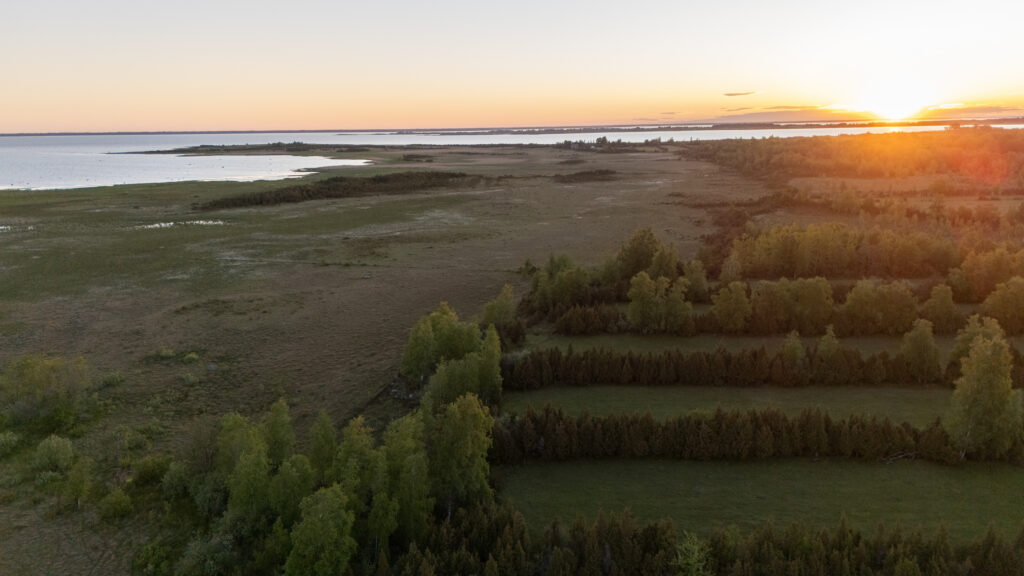
Estonia still has some pristine habitats and we aim to keep it that way. So we’re setting up a nature reserve. By restoring degraded land along the edges of the untouched nature, we ultimately strive to create a balanced ecosystem that maximizes its carbon storage potential and helps many species like waders, bears, wolves, and lynxes survive and thrive.
The size of our reserve, located near the coastline in the village of Lääneranna (Pärnu), is currently 20.69 ha, which is distributed as follows:
Why this project?
Estonia is one of Europe’s last strongholds for pristine wetlands, grasslands and forests. We acquire and rewild these carbon-rich landscapes to build a resilient nature network that safeguards Estonia’s wild heritage against climate change and habitat loss
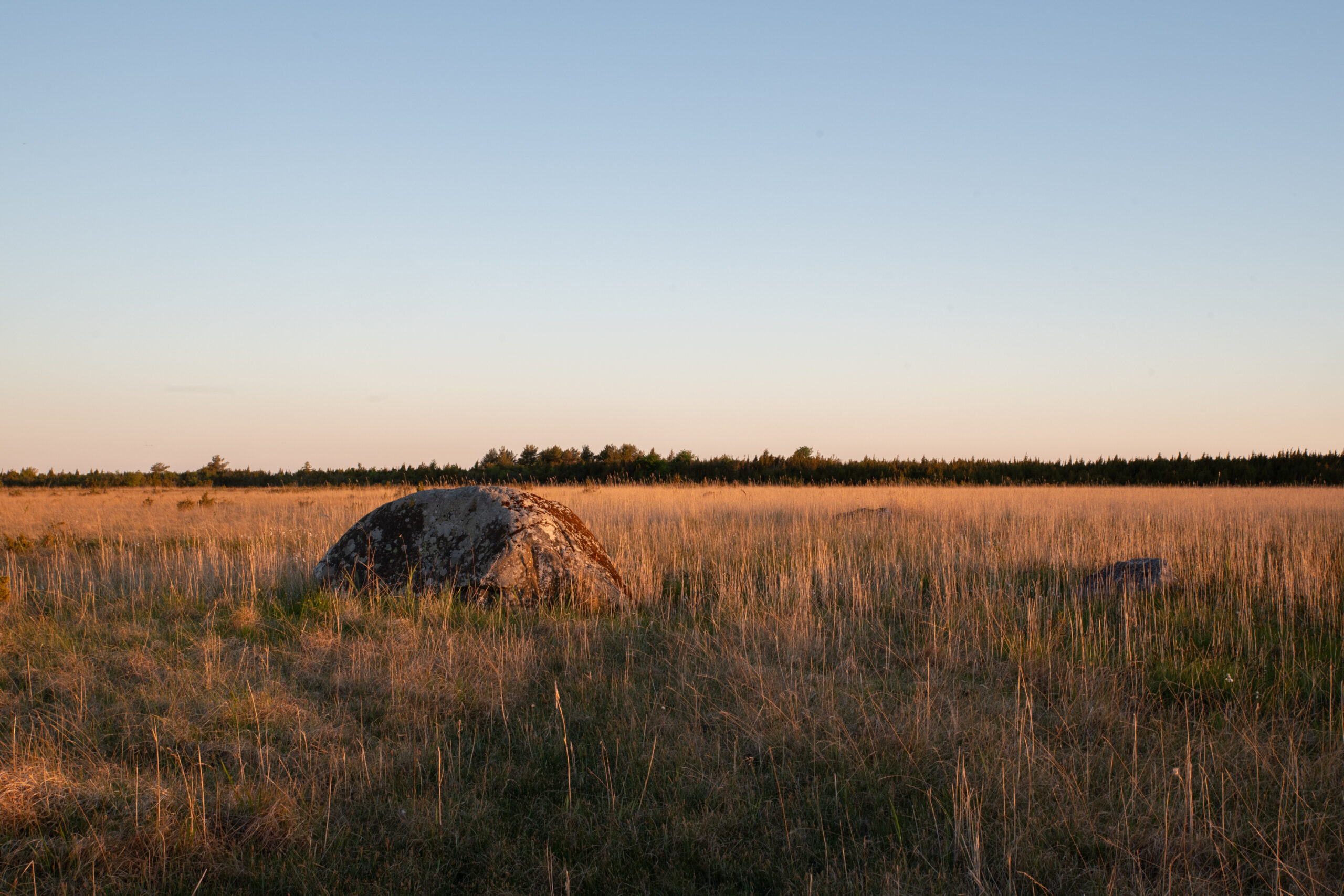
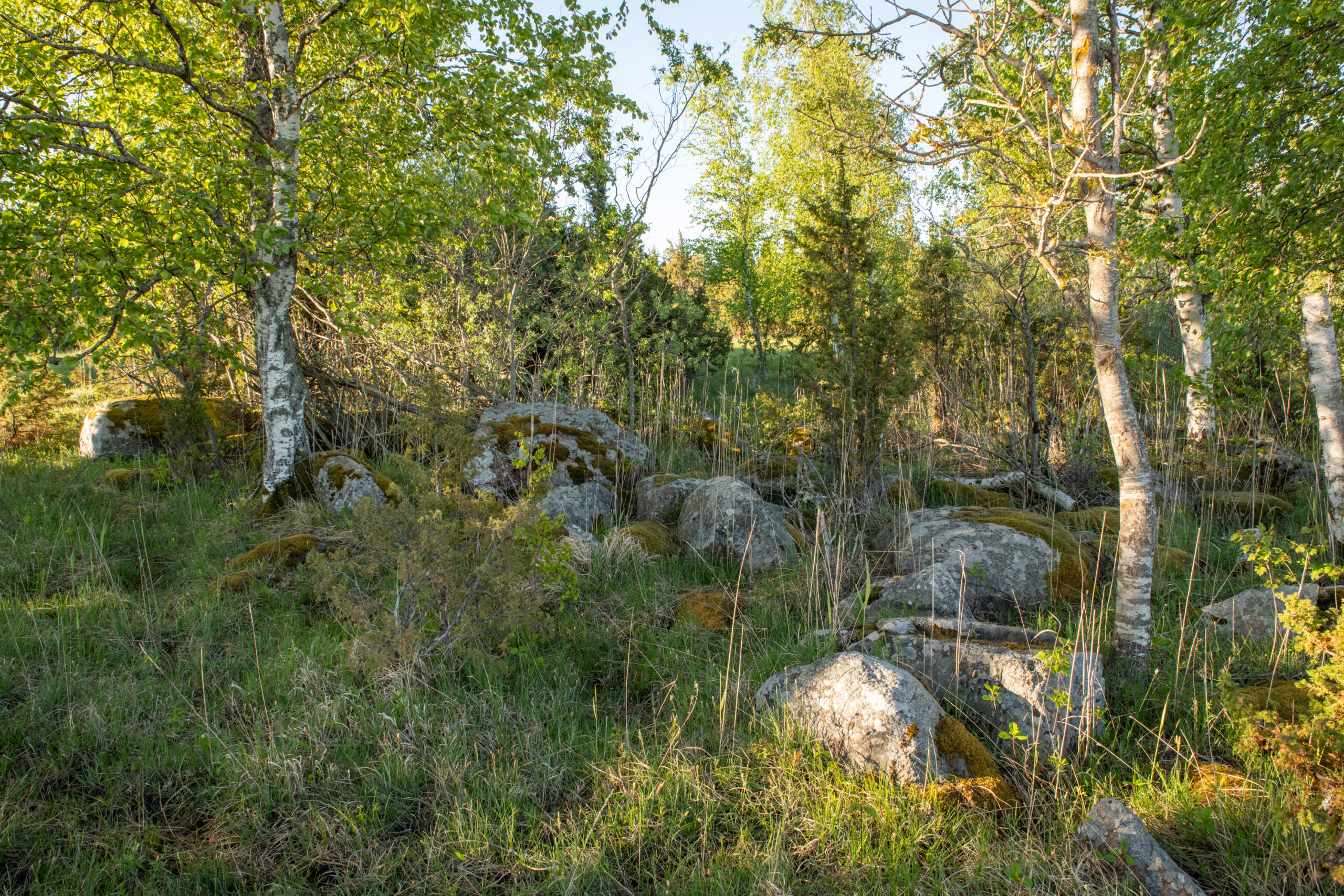
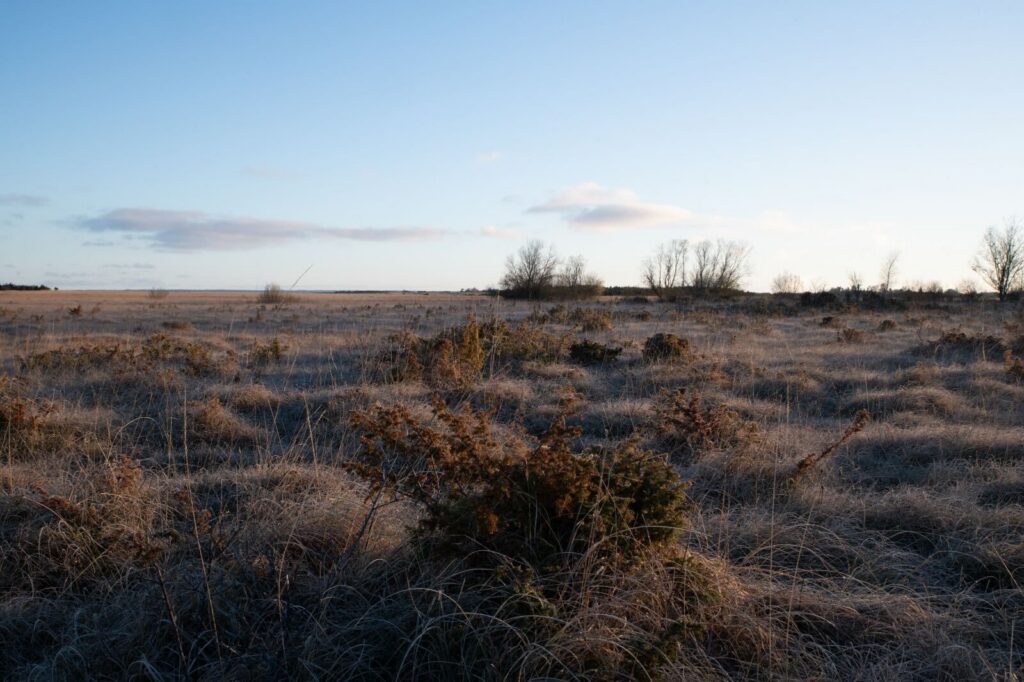
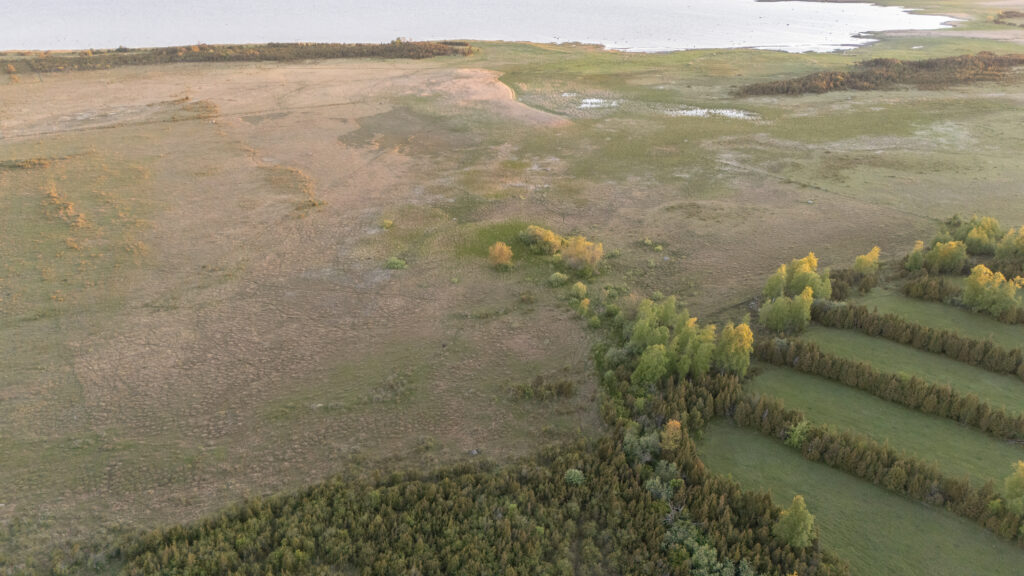
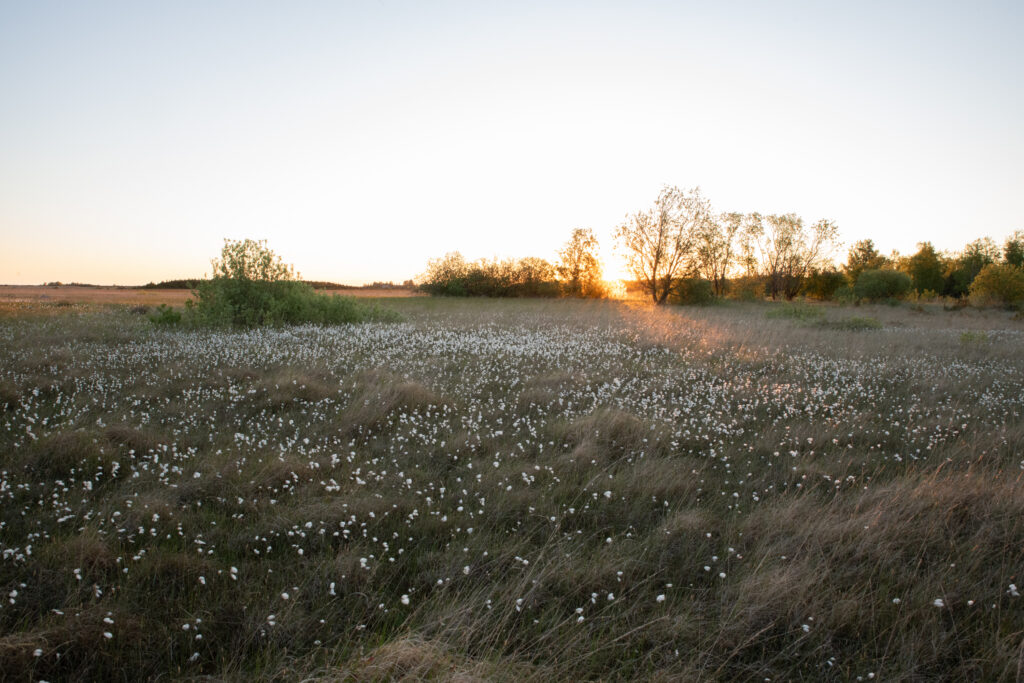
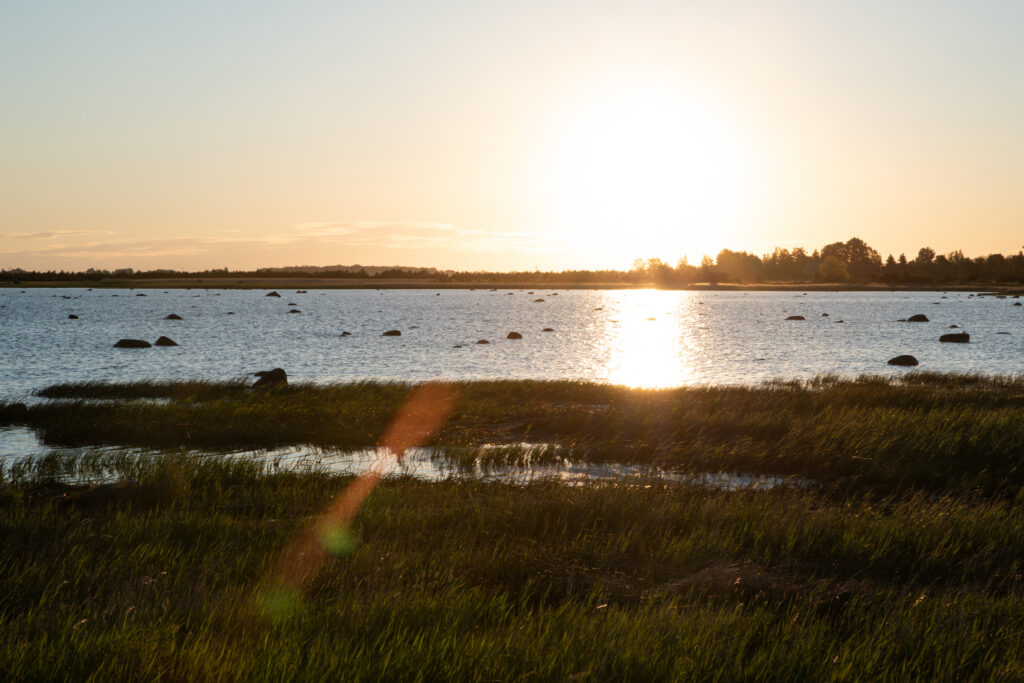
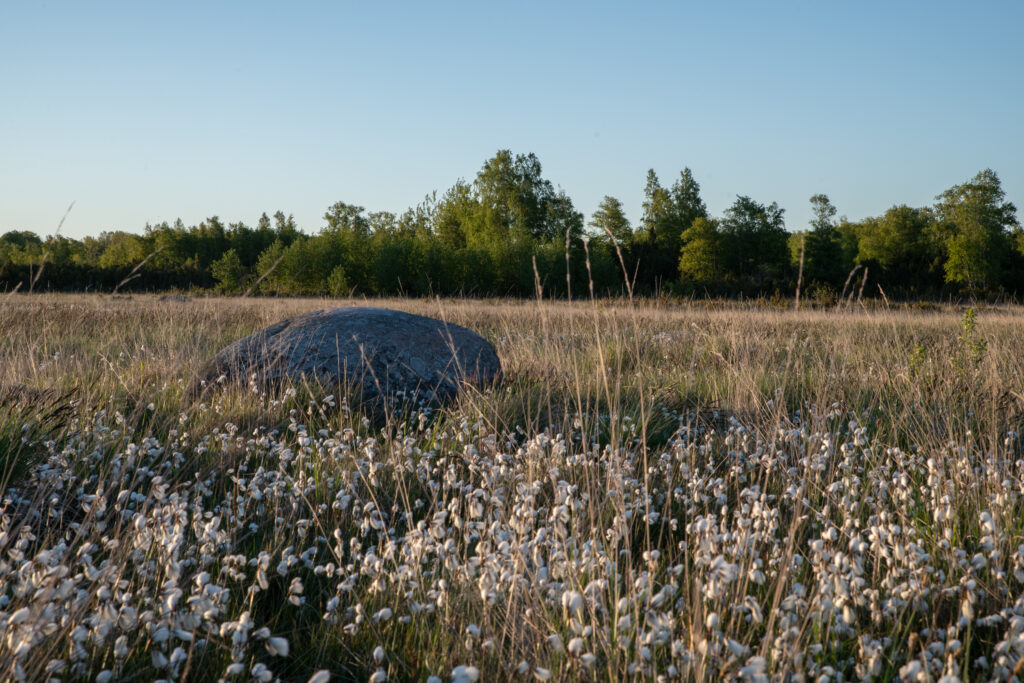
Our reserve is a crucial mosaic of untouched swamps, coastal forests and meadows.
By protecting this 20.69-hectare area from drainage, extraction, or agricultural intensification, we prevent the release of stored CO2 into the atmosphere. ensuring this land remains a permanent carbon vault for future generations.
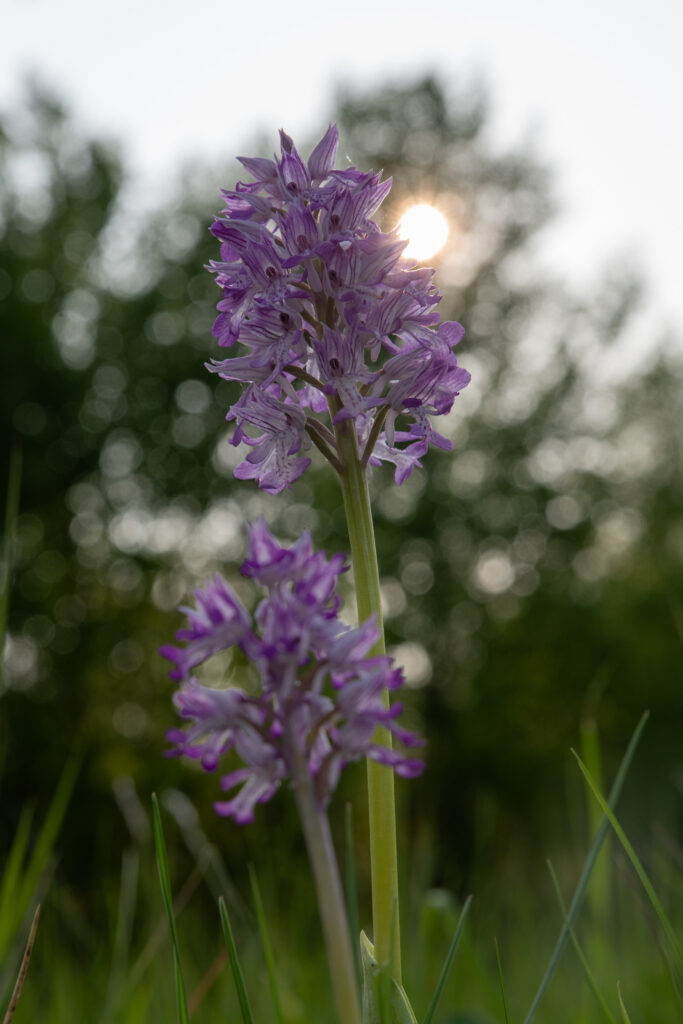
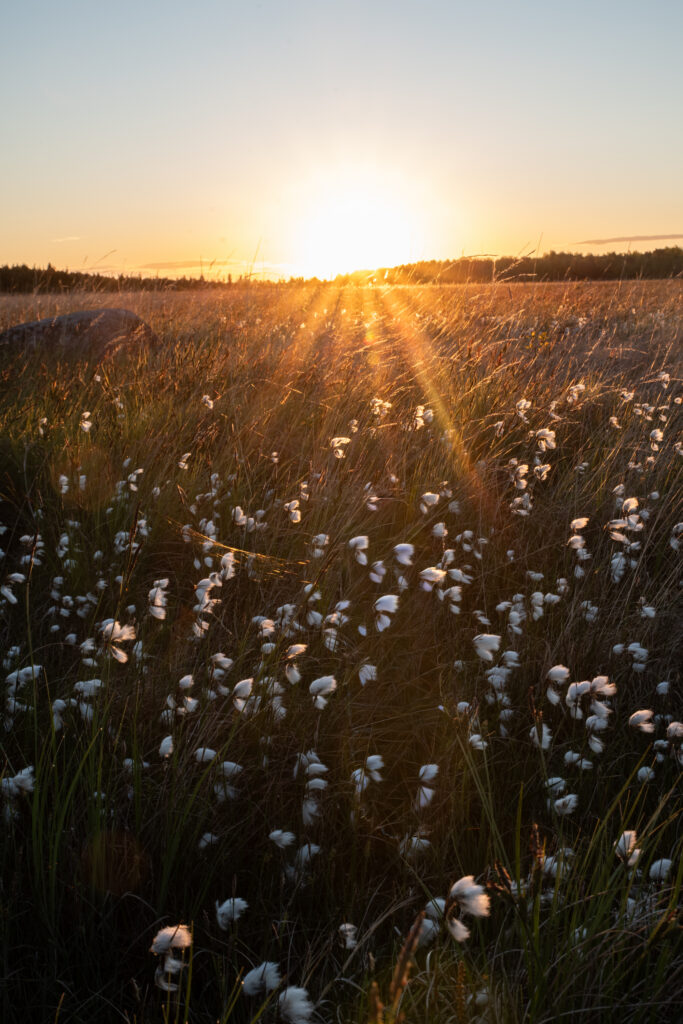
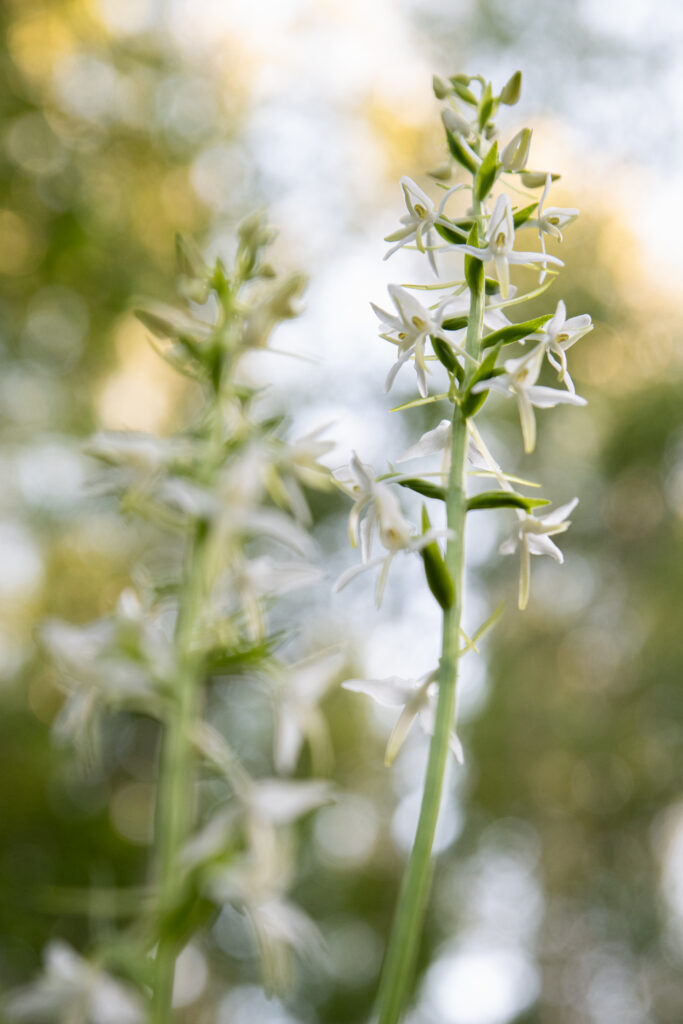
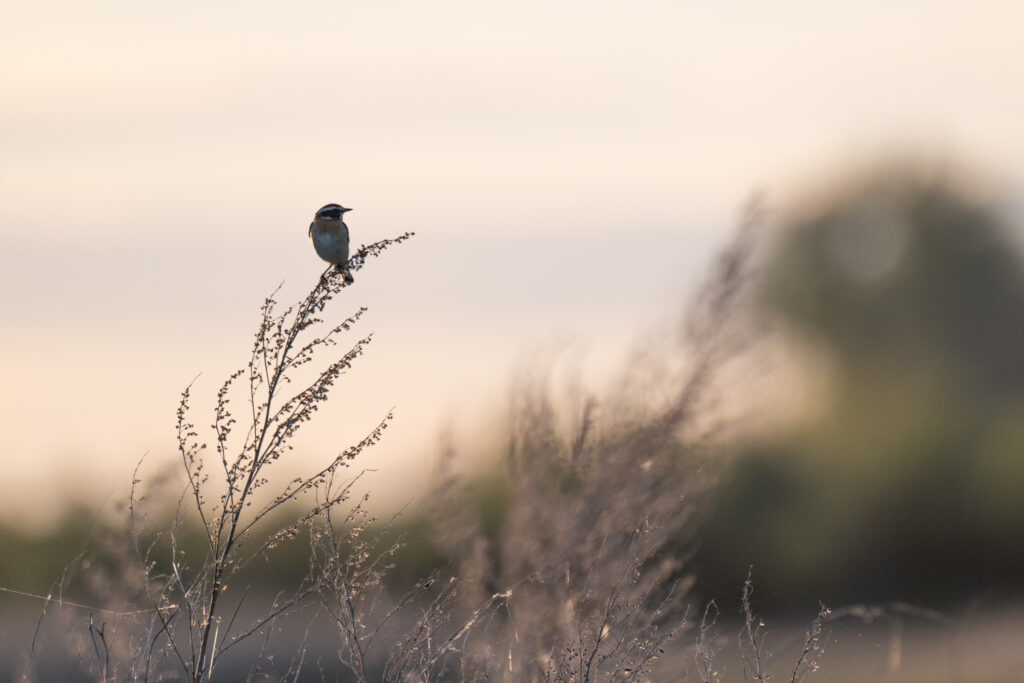
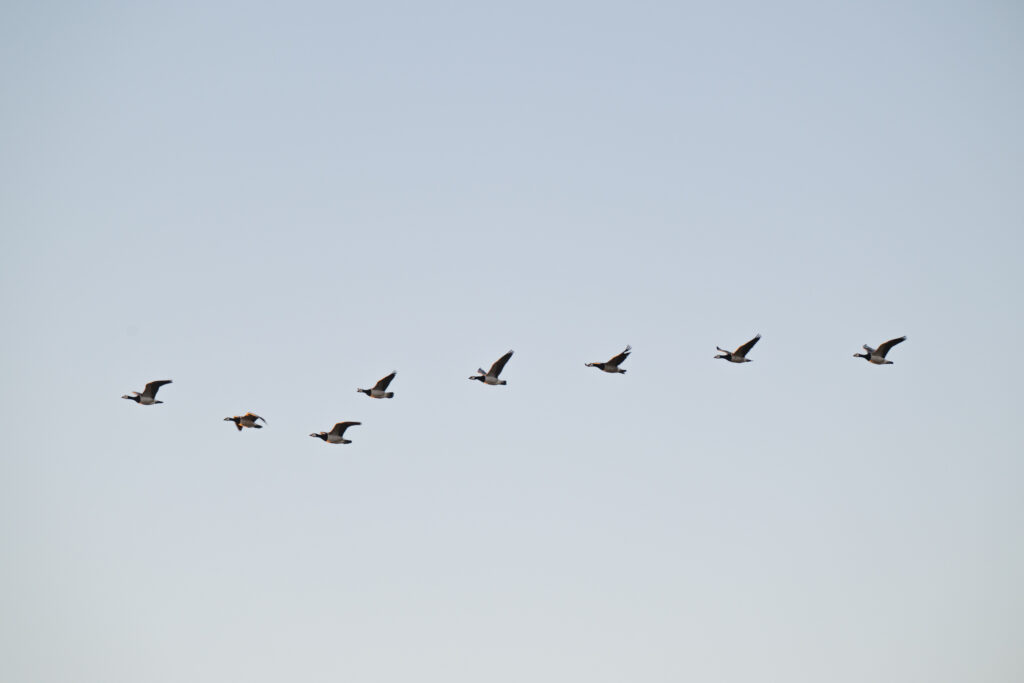
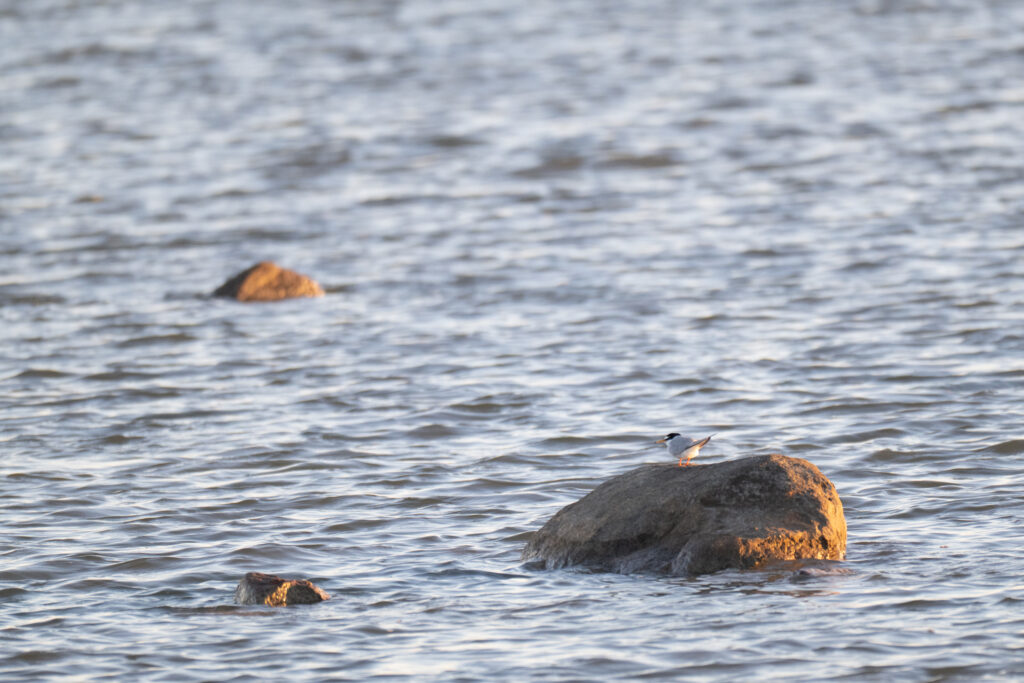
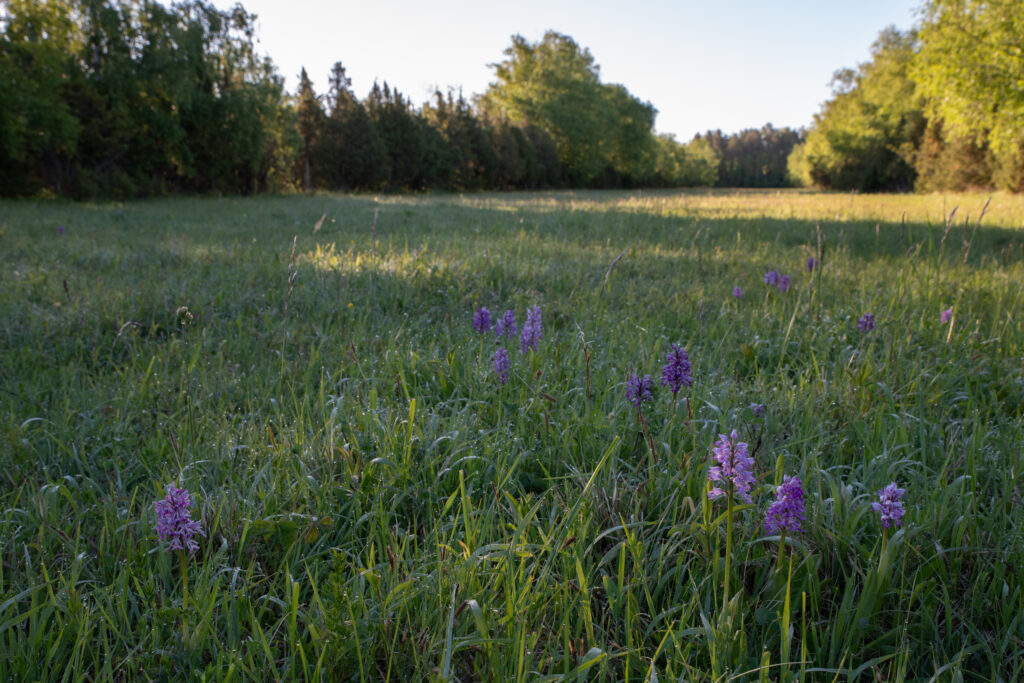
Our reserve is a sanctuary of exceptional ecological value. Recent field surveys have confirmed the presence of several rare orchid species and a vibrant community of breeding birds. The area serves as a crucial nesting ground for meadow birds and waders, including the Black-tailed Godwit, Redshank, Wood Sandpiper, Ringed Plover, and Northern Lapwing.
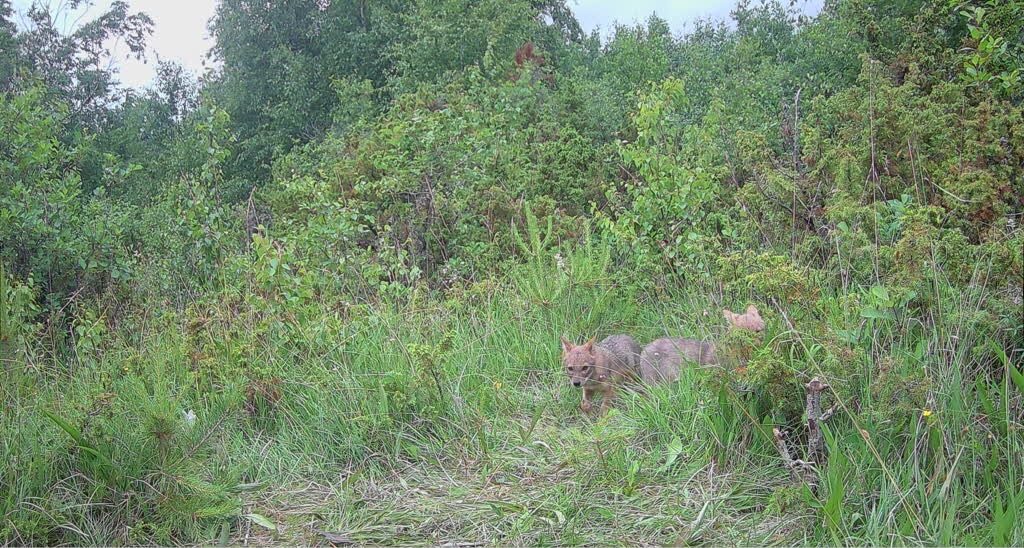
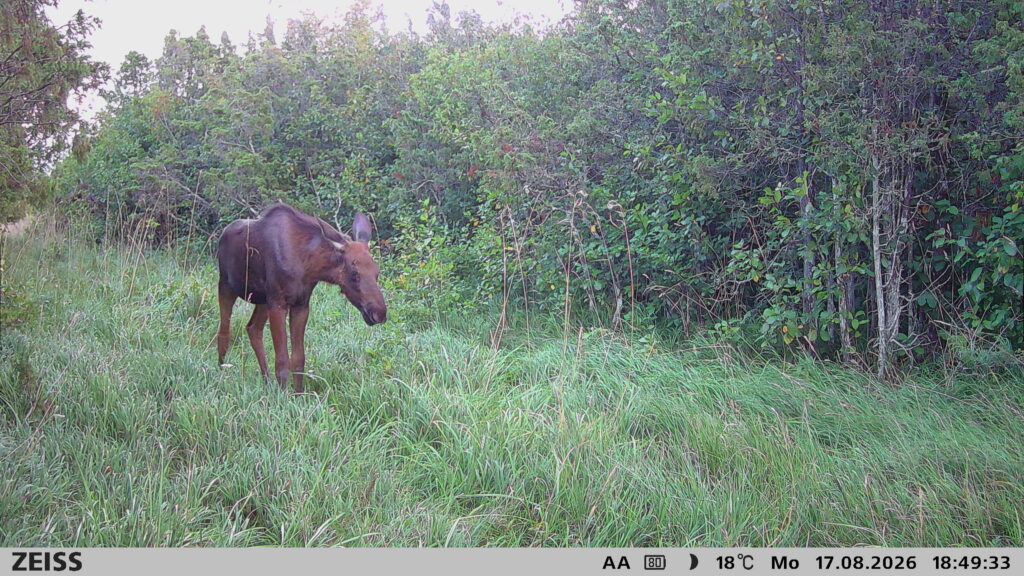
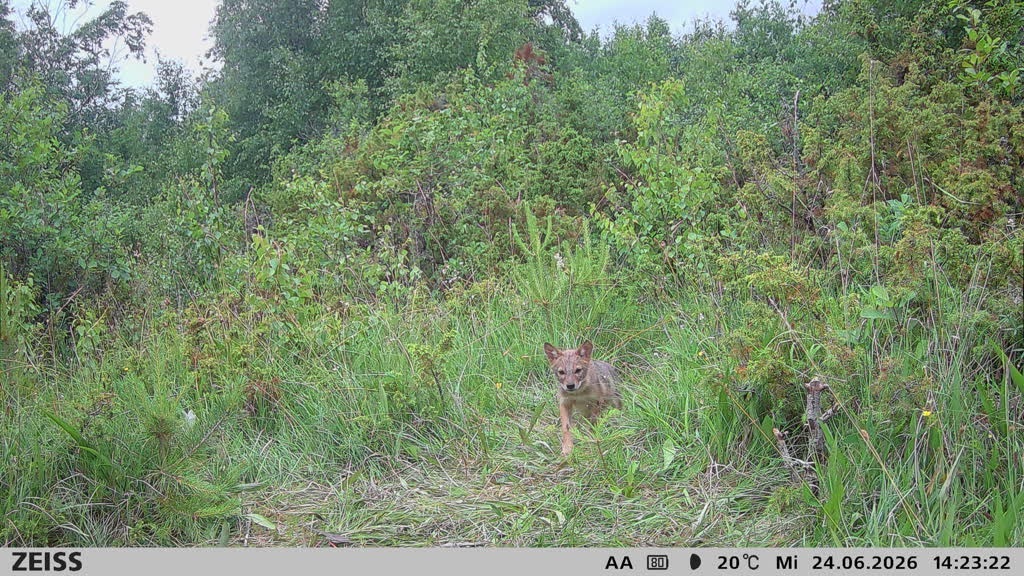
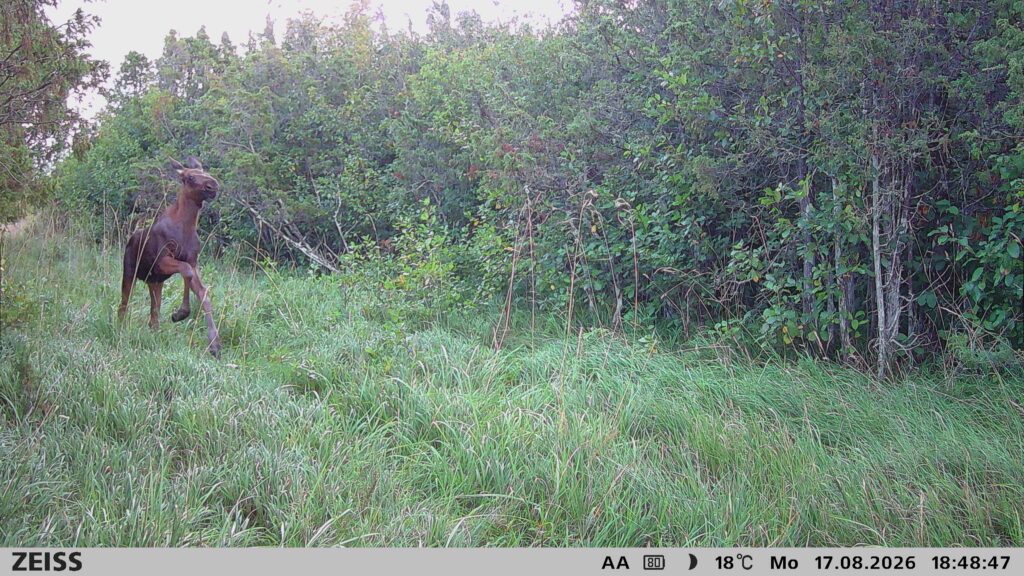
The terrestrial diversity is equally impressive; the land is home to a large badger sett and supports a dense population of roe deer. Also captured on our wildlife cams: a Golden Jackal family, moose, European pine marten, raccoon dogs and wild boar. We hope to see the Eurasian Lynx on our wildlife cams soon!
What’s next?
The reserve was acquired in 2026. This is what will happen in the first couple of months:
Life in the reserve
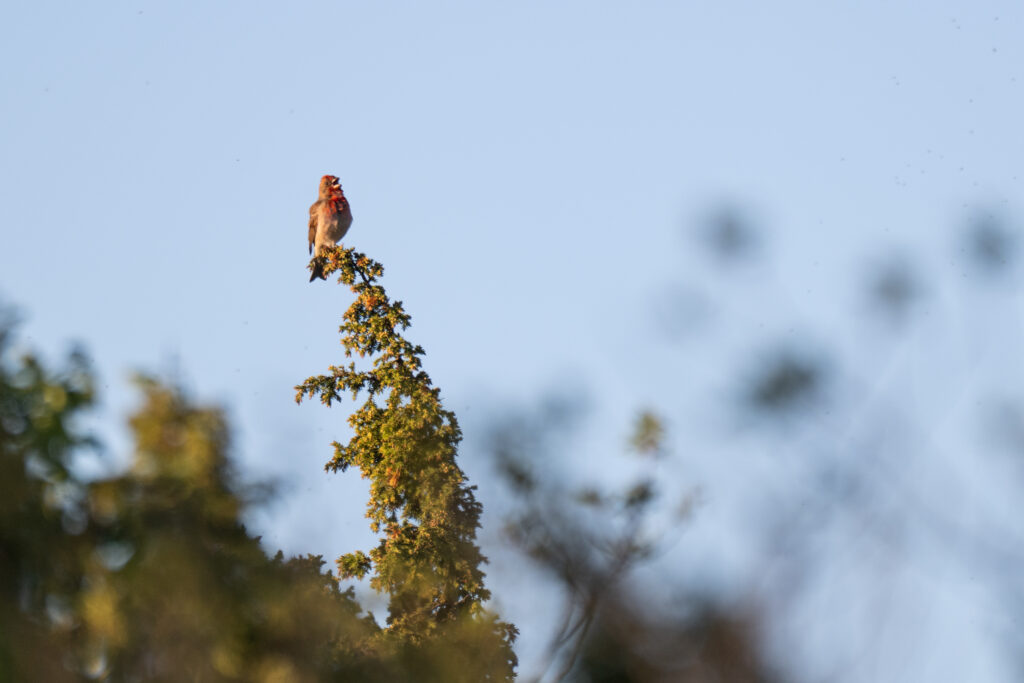
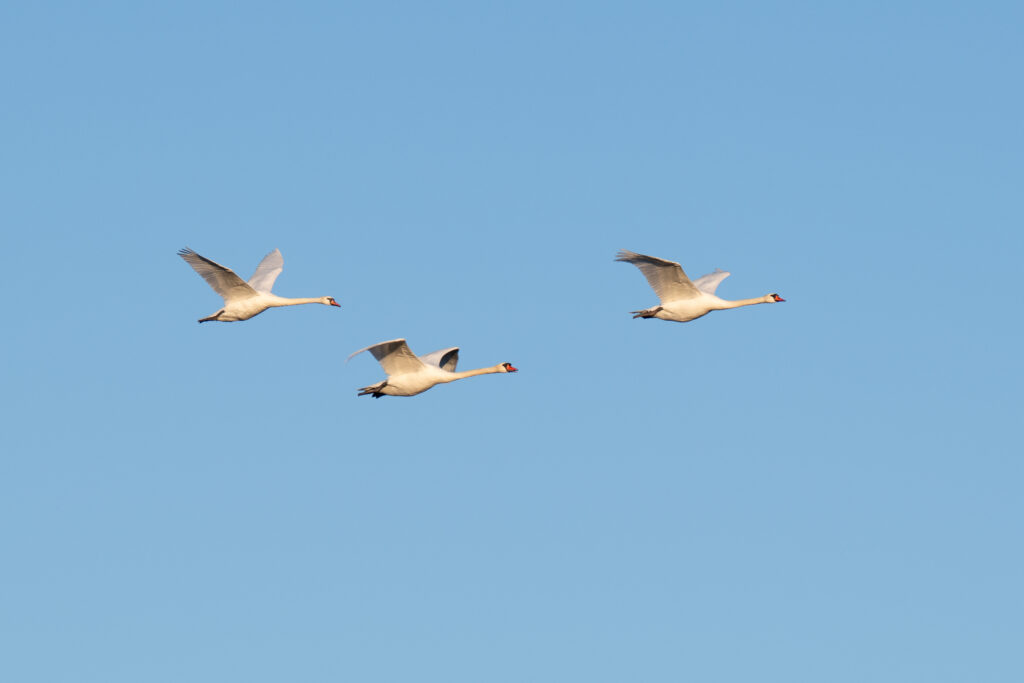
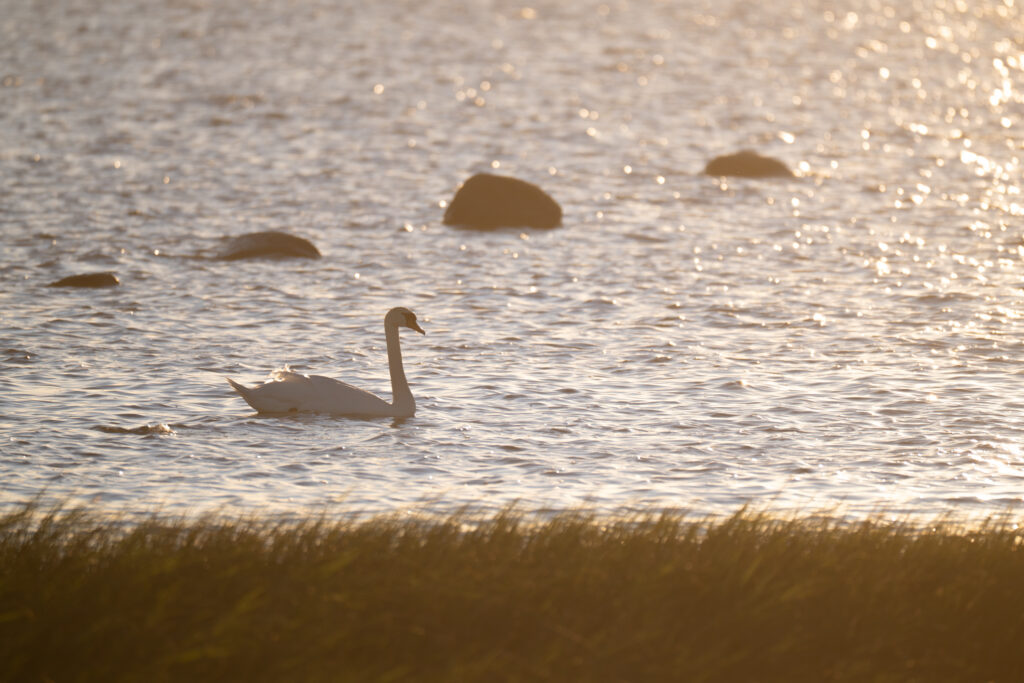
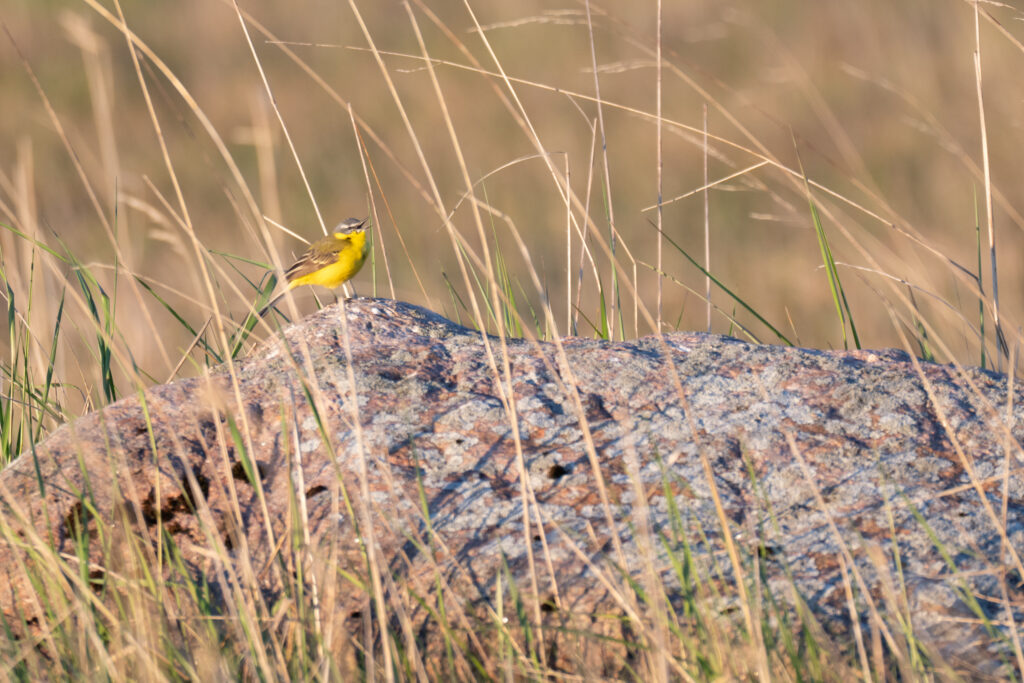
Here are some of the species spotted in our reserve already (wildlife cams and own photography is used whenever possible).
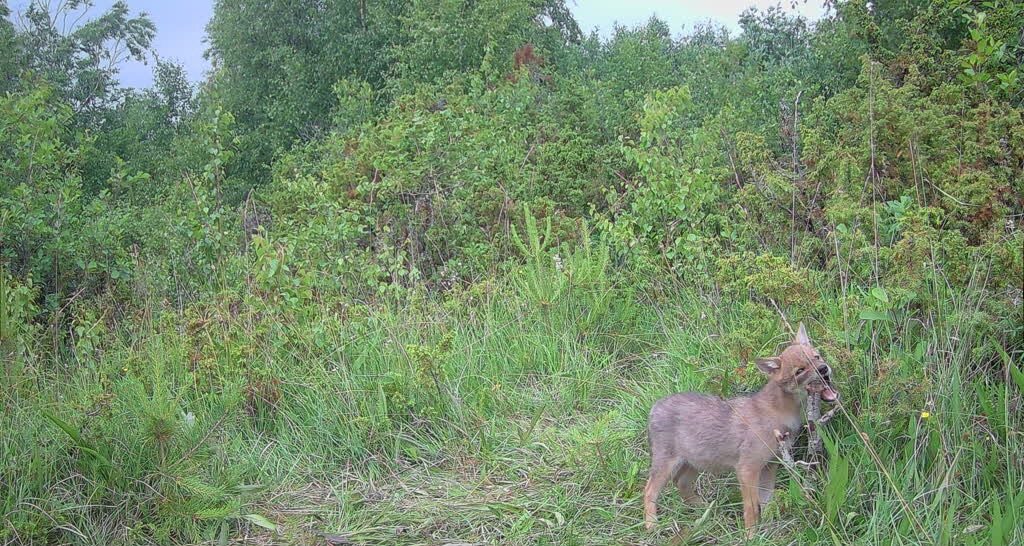
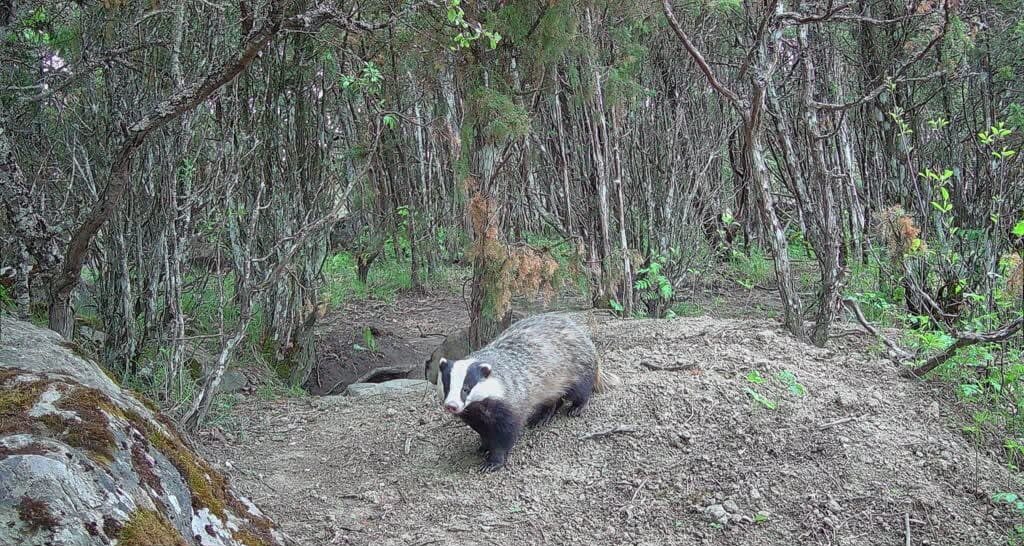
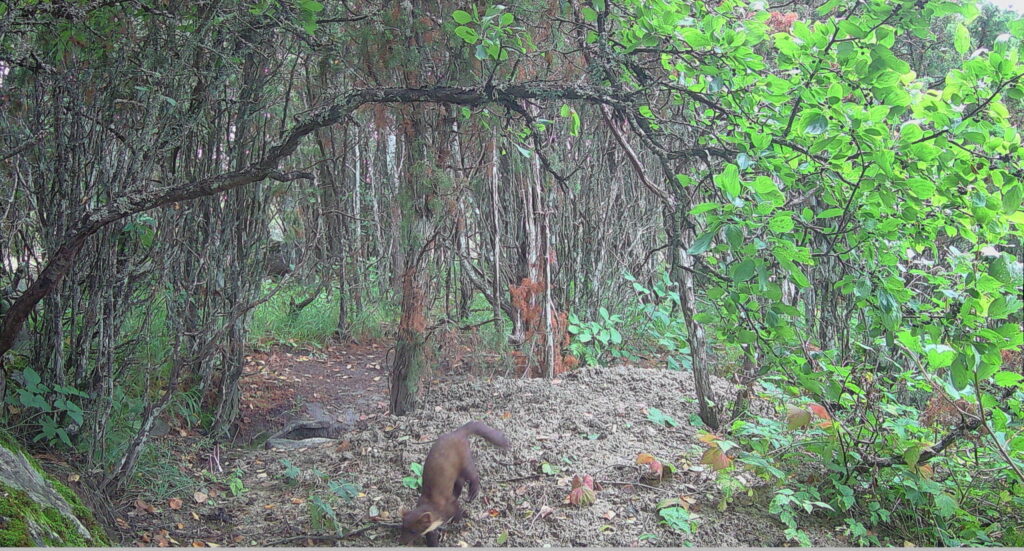
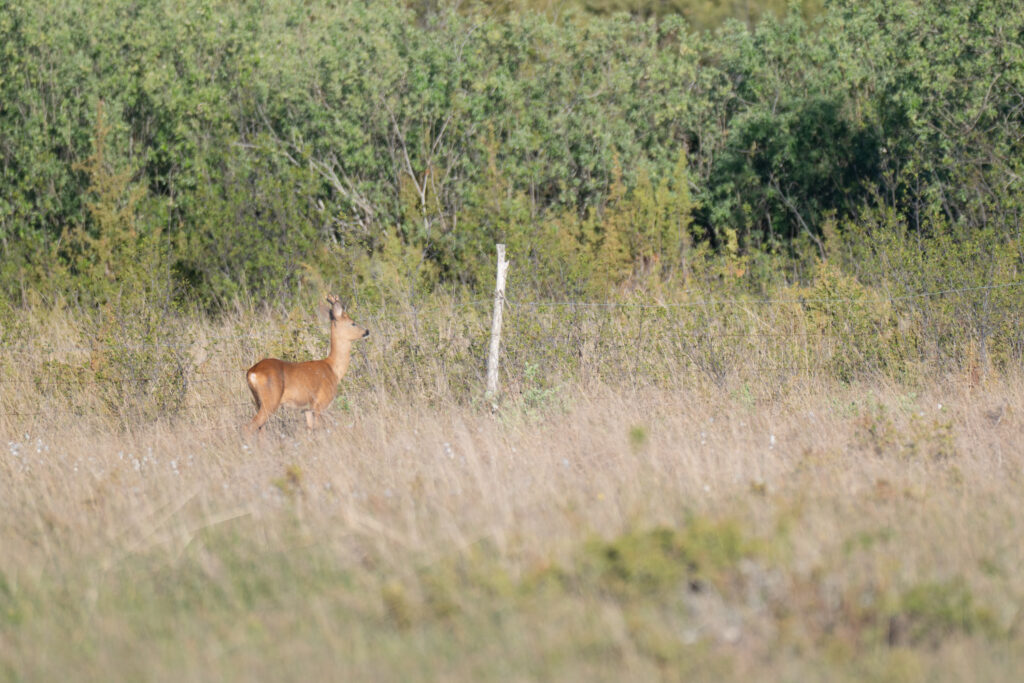
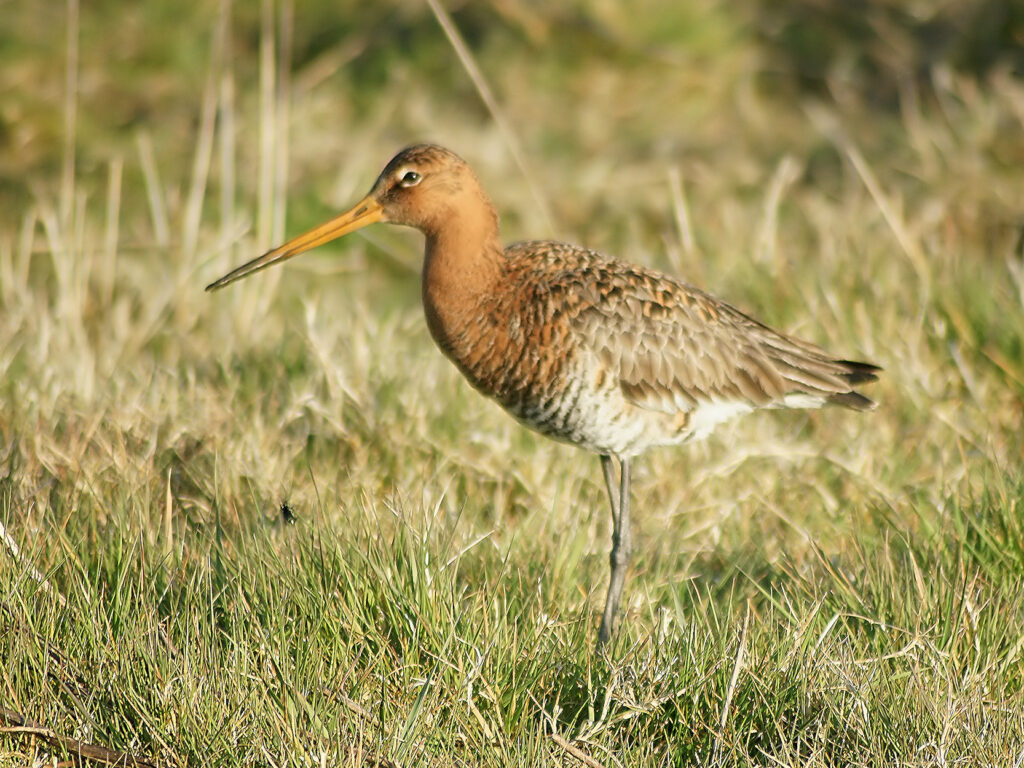
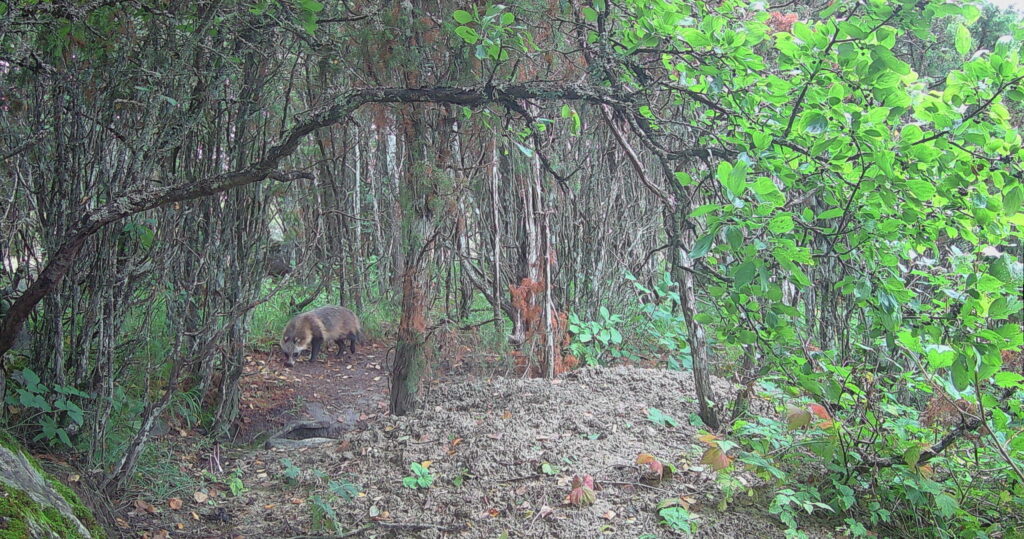
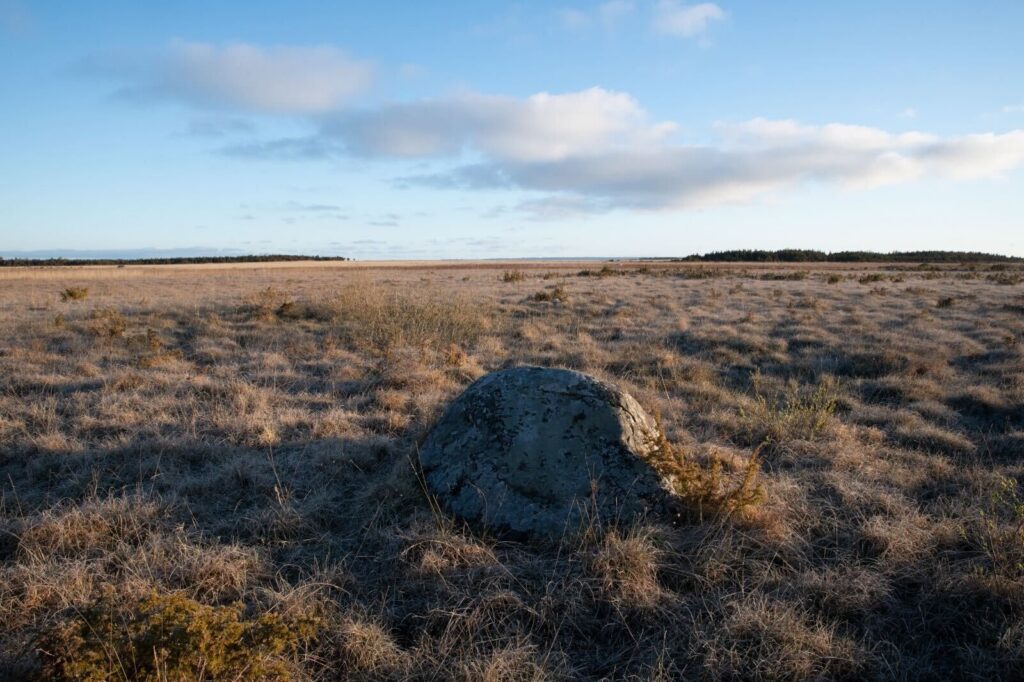
A small impression of the reserve
Pictures by Klaas Huwel and our wildlife cams.
Your contact person
Have questions about this project? Feel free to reach out to Billy.