FOREST

Chinambí, a diversity hotspot for harlequin toads in the Chocó

  • Ecuador
  • FOREST
The Chocó forests of northwestern Ecuador and western Colombia are among the world's top ten biodiversity hotspots. The project is located within the Key Biodiversity Area “Drácula-Golondrinas”, known for its extremely high biodiversity with many species occurring only there. Two species of critically endangered Harlequin Toads are persisting until today in the Municipalities of Mira and Espejo: Atelopus coynei and Atelopus lynchi. Together with our implementing partner Centro Jambatu and local communities, we protect these endangered harlequin toads and empower local stewards of biodiversity.
Funding status
No poverty SDG

What are we doing?

We are still in the early stages of the project. Right now, our work focuses on:

  • Rapid eDNA assessments to identify priority areas for conservation and to map remaining populations of both species. Our eDNA assessments also help us to identify the presence of other species, including mammals and birds
  • Supporting community-based forest protection, including training and employing local park guards to patrol and monitor key habitats
  • Creating an implementation plan to actually protect the 4300 hectares that are included in the Chinambí areas of sustainable use and conservation (ACUS), transforming it from a “paper park” into an actively protected landscape.
  • Raising environmental awareness through education programs that engage and empower local communities

By linking science, local stewardship, and sustainable livelihoods, we want to lay the groundwork for a future biodiversity corridor from the Chocó lowlands to the Andes — ensuring the long-term resilience of these irreplaceable ecosystems.

4300

hectares are included in the Chinambí areas of sustainable use and conservation.

5 streams

where populations of our two target harlequin toads survive

25

brown-headed spider monkeys are one of the 25 most endangered primate species worldwide

Why this project?

The Drácula-Golondrinas KBA has an extremely high biodiversity and is considered one of the most relevant Chocó-Andean KBAs for northwest Ecuador. Not only for endangered amphibians. Hundreds of bird species and mammals live here as well. Despite their official status, most declared areas are “paper parks” with little or no effective protection, though.

Impact on Biodiversity

Besides flagship amphibians Atelopus coynei and Atelopus aff. lynchi, at least 7 other threatened amphibians occur here. The area is also known for the presence of many endemic orchids, it’s high diversity of bird species and the occurrence of emblematic mammals such as the Spectacled Bear and some high-elevation populations of the Brown-headed Spider Monkey (also listed as endangered on the IUCN Red List). Moreover, 620 species of birds have been registered in the area.

Impact on local communities

We will develop an implementation plan for the ACUS, defining strictly protected (OCAN) and sustainably managed areas. To do so we aim to establish a participative approach with local communities, administration and grassroots organizations.

Through conservation agreements, agroforestry, regenerative agriculture and sustainable tourism, we will improve local livelihoods.

Getting the foundations right

Thanks to the support of the Zoological Society for the Conservation of Species and Populations, Hellabrunn Zoo and the Zoologischer Stadtgarten Karslruhe, we were able to start the project in 2025.

In the first half of 2025:

  • we set up a collaboration with Centro Jambatu as local implementation partner for the project. Centro Jambatu has already been working in the area on monitoring and an environmental awareness programme for both Atelopus species
  • we visited the area and set up the collaboration with local partners
  • we mapped priority areas through Environmental DNA metabarcoding for complete vertebrate assessments, which will help us prioritize the areas we need to protect
  • we initiated the participatory approach with the San Jacinto and Chinambí communities

We will use this page to keep you informed about the progress of this project regularly.

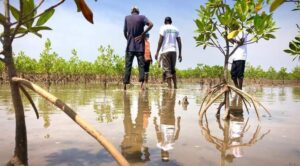
Habitats team conducting eDNA rapid assessments

Your contact person

Do you have questions about this project or would you like to set up a collaboration? Reach out to Raf. He’ll be happy to give you all details you need.

Raf Stassen

Other projects

Uncovering the Secrets of Harlequin Toad Survival in the Peruvian Andes

  • Peru
  • GRASSLAND , FOREST , WETLAND
We are using eDNA metabarcoding to re-detect lost Atelopus species across the Peruvian Andes, while simultaneously scanning for other species of high conservation concern and identify potential threats to remaining habitats. Besides shedding more light on the survival of Atelopus species, our insights will aid in providing rapid and essential baseline data for guiding conservation action.