
What are we doing?
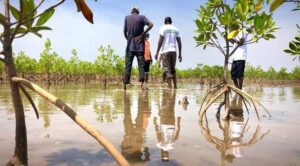
Our local communities plant mangrove trees in the Malindi Ungwana Bay in the Republic of Kenya, a crucial sea turtle habitat and stopover for thousands of migratory birds.
In collaboration with the Kenya Forest Service and the Community Forest Association, our local partner COBEC successfully planted the first 10,378 seedlings across two sites in Ungwana Bay. This first project involved planting 4,000 seedlings of Avicennia marina and 6,378 of Ceriops tagal with participation of 82 community members (16 men and 66 women). We’re only getting started!
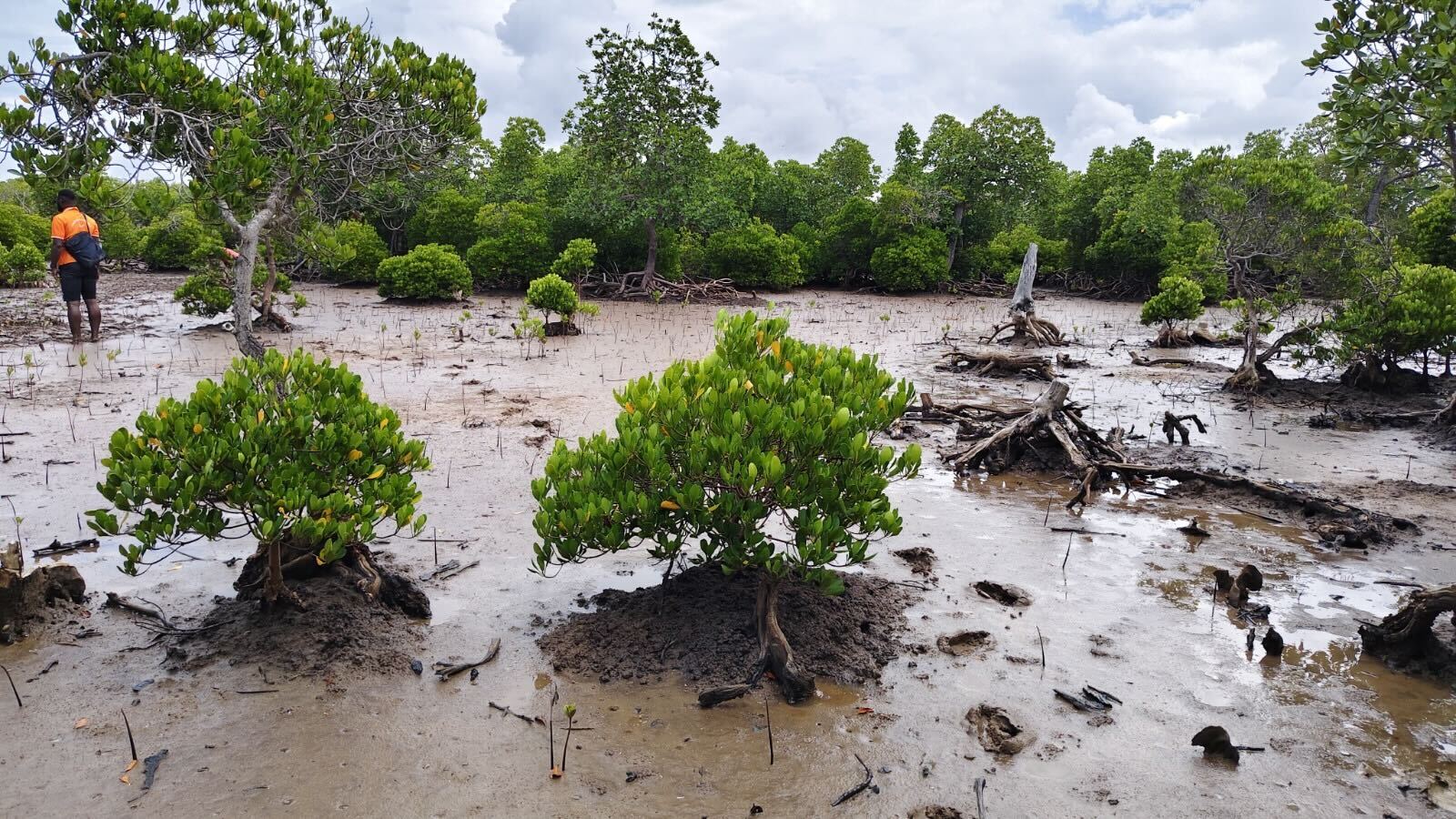

Let’s create a new mangrove forest
Mangroves ecosystems are massive carbon sinks and biodiversity heroes, protecting shorelines, and providing nursery grounds for marine life. Each tree is purchased from a nursery we helped the locals set up and planted by those same local communities, creating jobs and improving livelihoods.
Why this project?
In Kenya, mangroves are strongly threatened by deforestation. Human-induced activities such as firewood harvesting, plastic and oil pollution have led to the degradation of this fragile, but very important ecosystem.
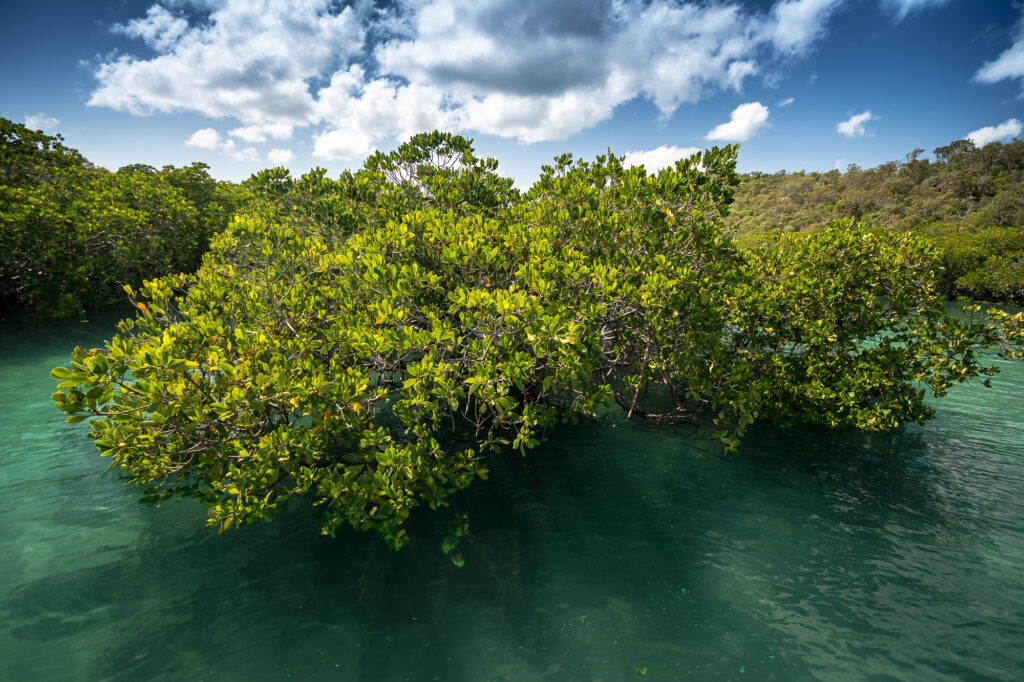
Mangrove forests have a remarkable capacity to store and sequester carbon dioxide (CO2) from the atmosphere. A study found that pound for pound, mangroves can sequester four times more carbon than rainforests can.
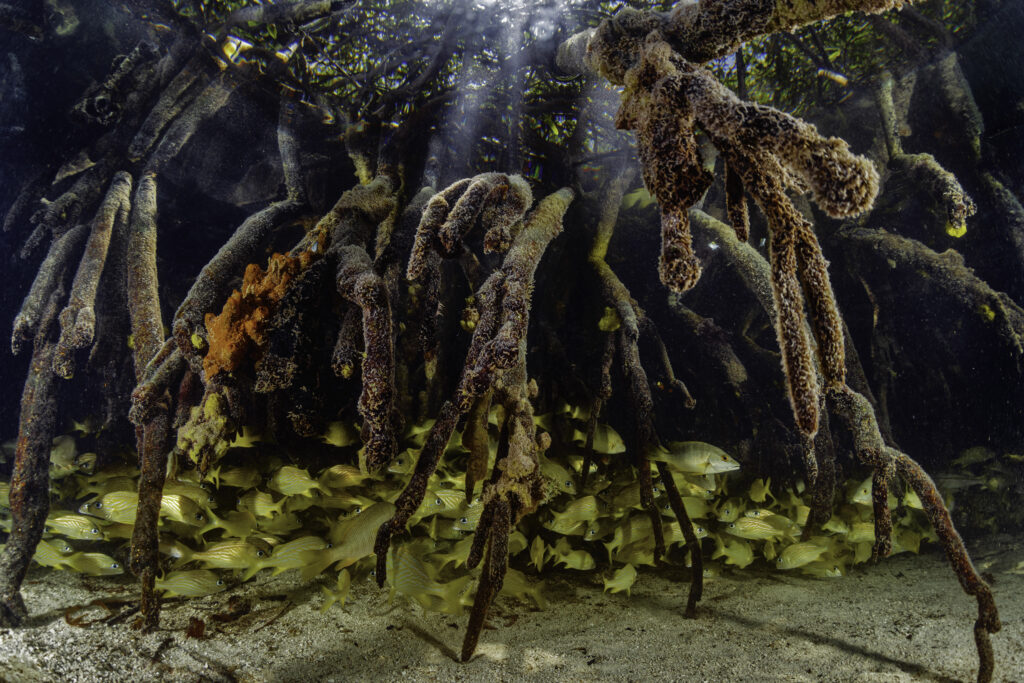
We are restoring heavily degraded coastal ecosystems. These mangrove forests will serve as important nursery areas for a.o. hammerhead sharks, parrot fish, rabbit fish, snappers, groupers, barracudas, crabs, and shrimps. Their intricate root systems will also help stabilize sediments and filter pollutants, improving water quality and maintaining healthy coastal ecosystems.
Thousands of migratory and resident birds, including regionally and globally threatened species are found in the Creek which is designated as an Important Bird Area.
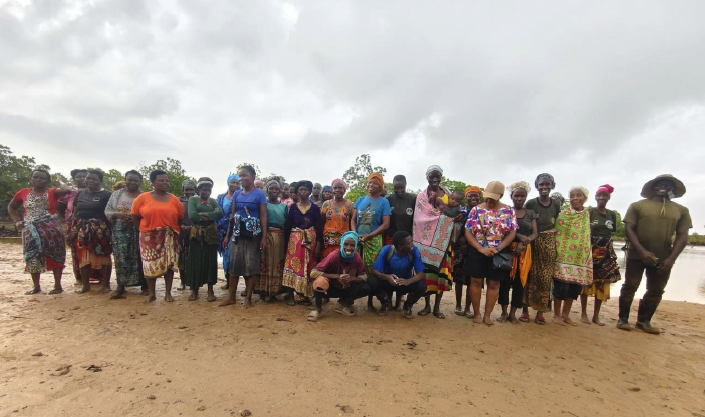
These mangrove forests will act as storm barriers, protecting the communities from flooding and soil erosion. Their role as fish nursery will also have a big impact on the local economy.
Thanks to this project, community members are able to obtain living-wage employment through the nurseries created for tree planting .
They also feel stimulated and supported to create ecotourism micro-enterprises.
Project approach
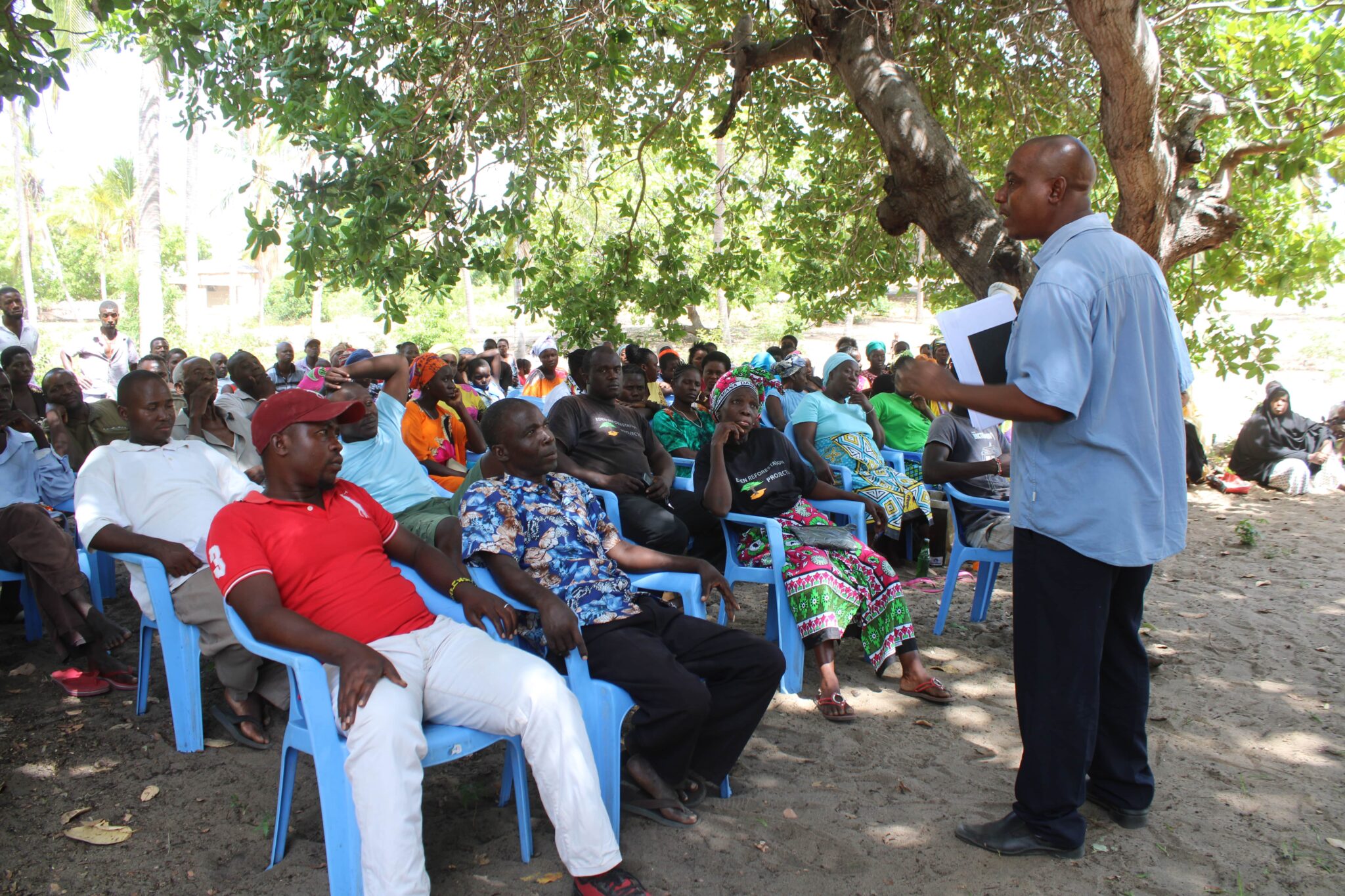
Our local partner COBEC (Community-Based Environmental Conservation) educates the local communities on the importance of protecting mangroves for their livelihoods.
COBEC also recruits and trains community scouts to work with forest rangers to patrol and protect the forest from degradation.
Most importantly, we also train the local communities to seek seedlings and set up mangrove nurseries.

We buy the mangrove seedlings from the local community. They use the extra money earned to send kids to school, improve their homes or invest in their future.

Our local partner COBEC organizes mangrove tree planting days regularly. The community, local government and other stakeholders are all involved.
The trees planted include Rhizophora mucronata, Ceriops tagal and Avicenia marina. They are planted in accordance with the UNEP/Guidelines on Mangrove Ecosystem Restoration for the Western Indian Ocean Region

The growth and survival rates of all mangrove trees is carefully monitored and a check is done after 3, 6 and 12 months.
Your contact person
Have questions about this project? Feel free to reach out to Michael.