Engage your customers with our ‘Track your impact’ tool

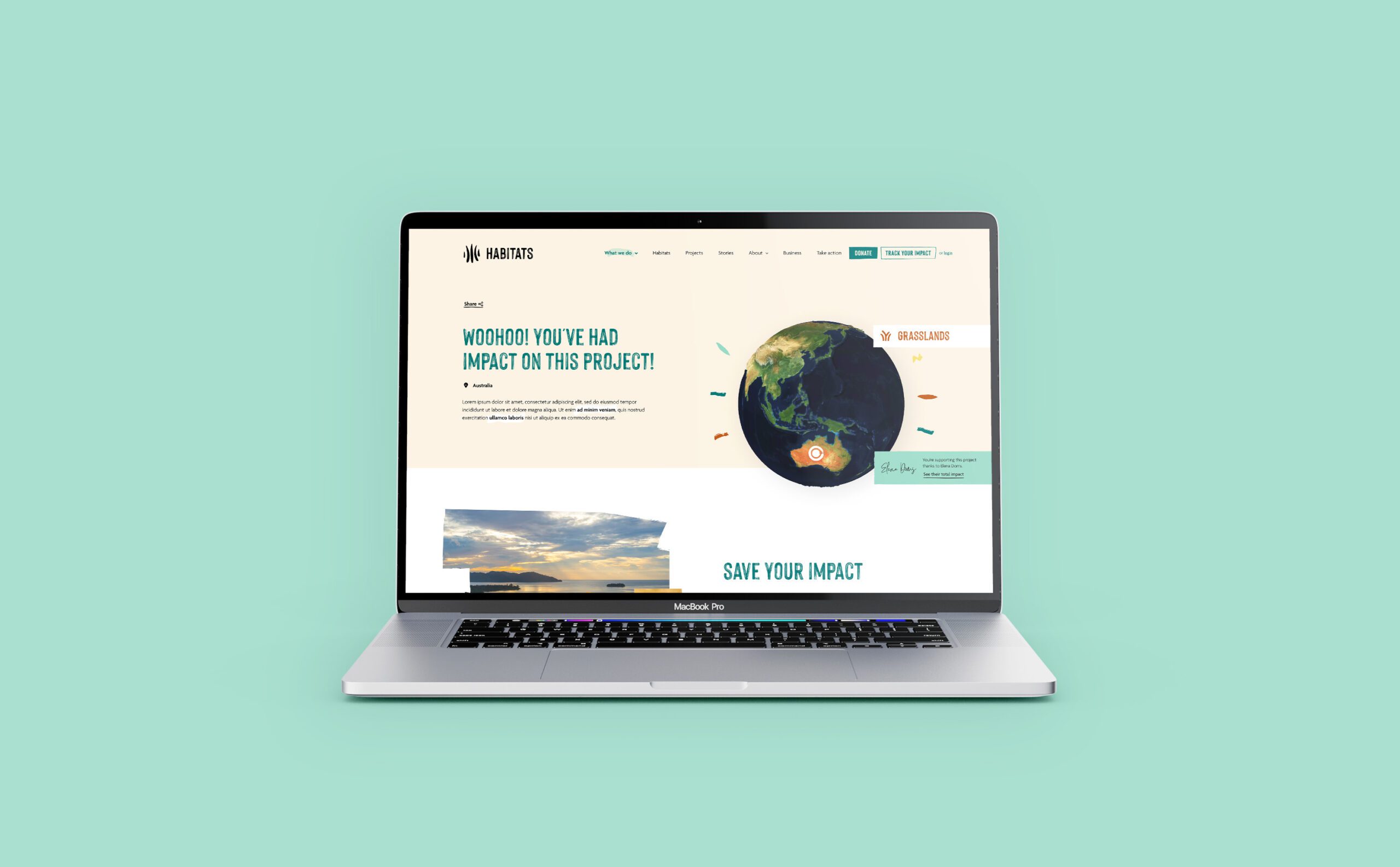
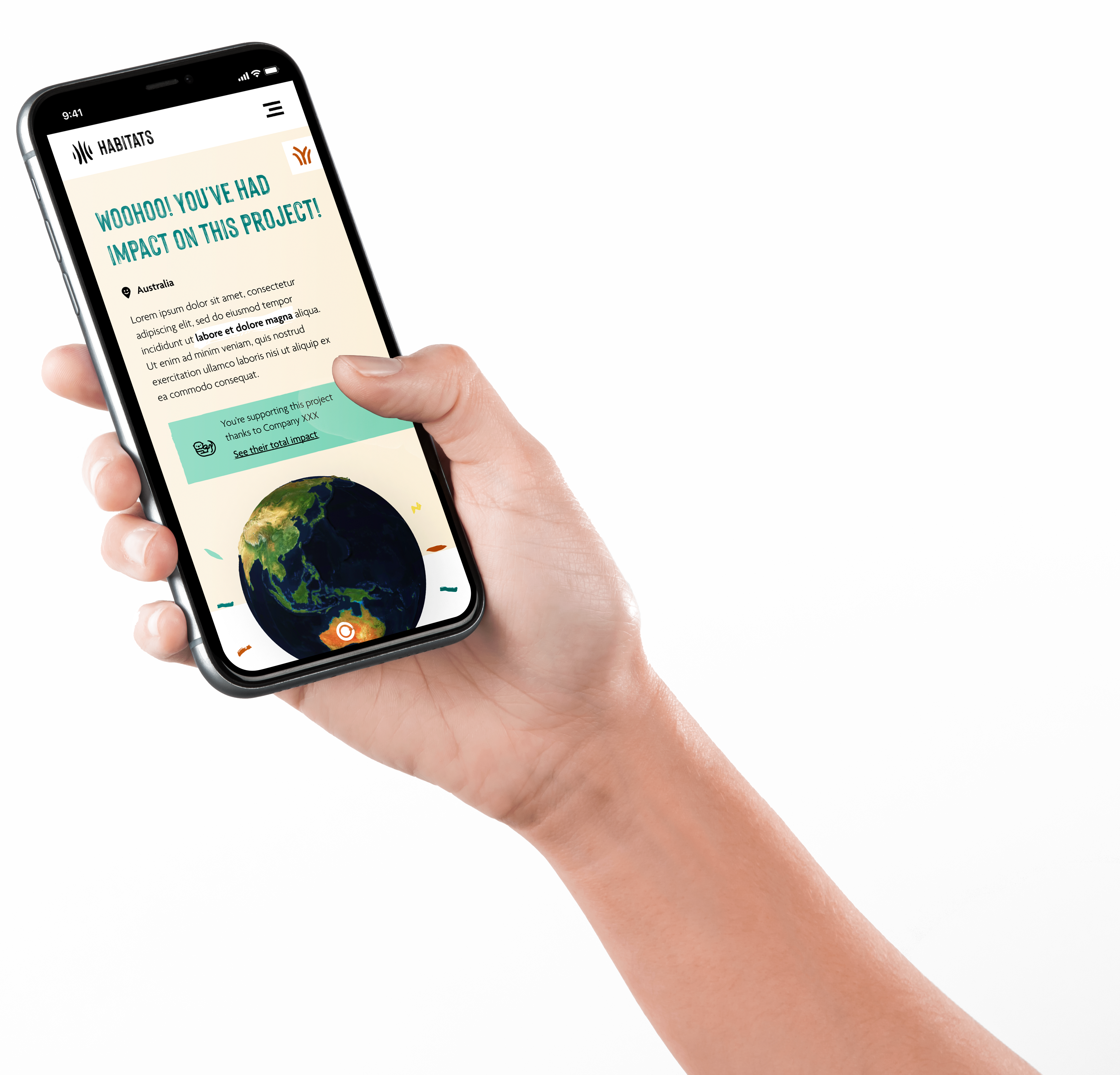
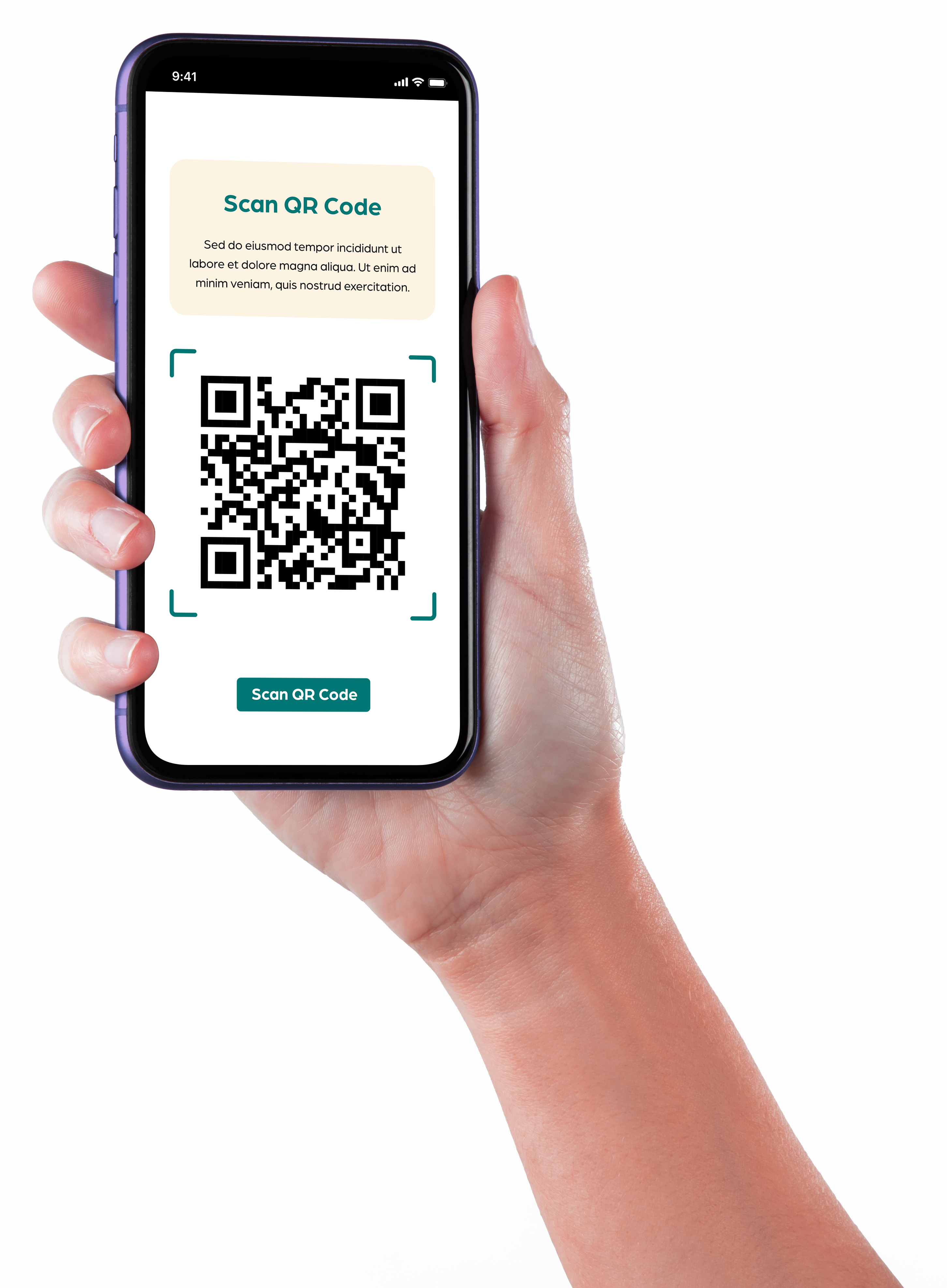
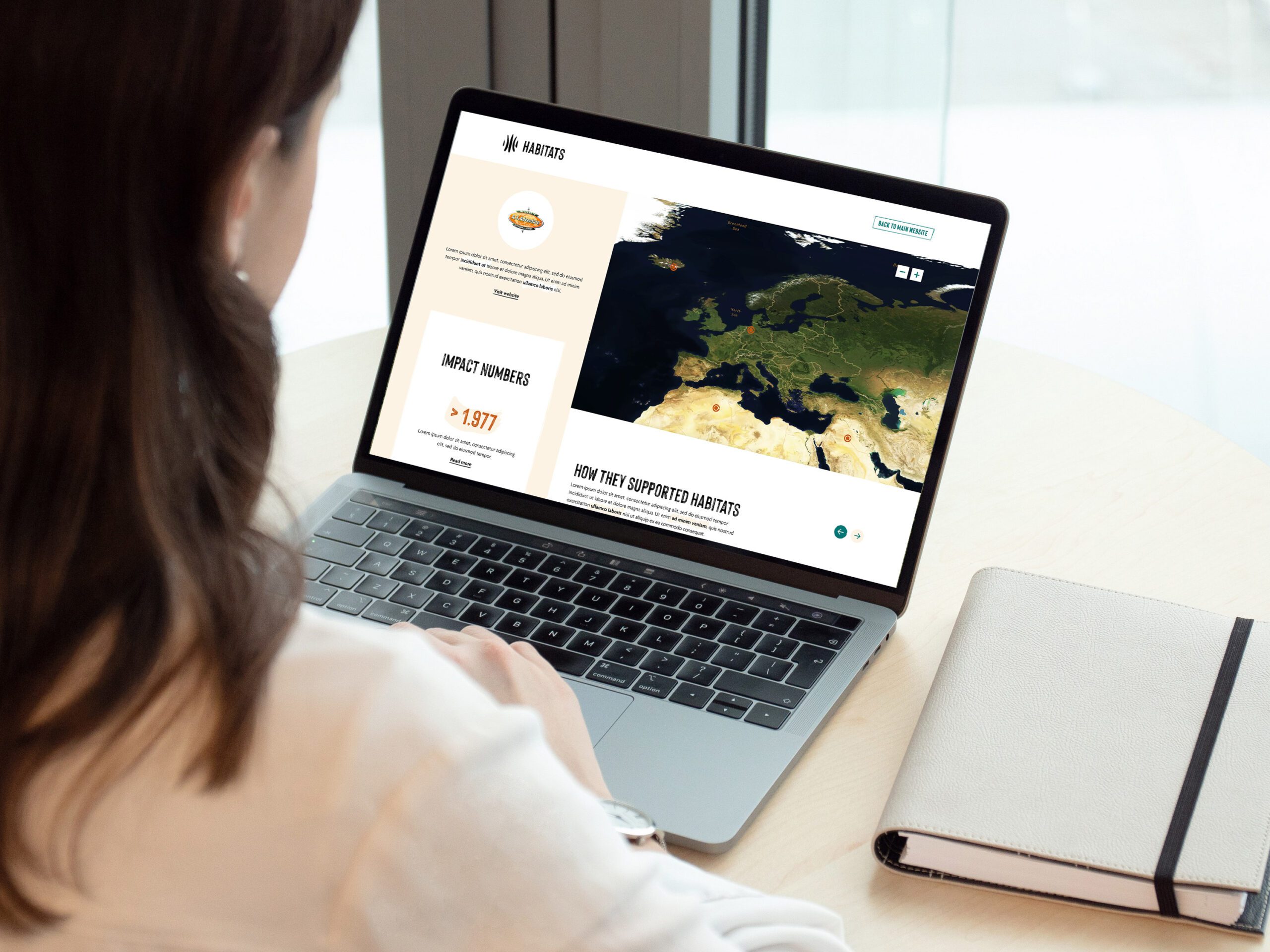
Show your customers you care by linking their purchase to support for one of our carefully selected projects. With our Track Your Impact tool, you can create a QR code that directly shows the impact a customer makes by buying your product or service. We make your (customers’) impact tangible.
Track your impact - Habitats Foundation

What’s in it for you?

Of course this track your impact project will lead to a higher customer engagement and a better image for your organization.  But there’s more: our platform will allow you to showcase the exact impact you’ve made as a company by working with us. You will have all projects, partnerships and impact numbers in one easy-to-navigate and share place.
habitats business profile

Our Projects

Feel like supporting one of these projects with one of your products or services?
Uncovering the Secrets of Harlequin Toad Survival in the Peruvian Andes

  • Peru
  • GRASSLAND , FOREST , WETLAND
We are using eDNA metabarcoding to re-detect lost Atelopus species across the Peruvian Andes, while simultaneously scanning for other species of high conservation concern and identify potential threats to remaining habitats. Besides shedding more light on the survival of Atelopus species, our insights will aid in providing rapid and essential baseline data for guiding conservation action.

Chinambí, a diversity hotspot for harlequin toads in the Chocó

  • Ecuador
  • FOREST
The Chocó forests of northwestern Ecuador and western Colombia are among the world's top ten biodiversity hotspots. The project is located within the Key Biodiversity Area “Drácula-Golondrinas”, known for its extremely high biodiversity with many species occurring only there. Two species of critically endangered Harlequin Toads are persisting until today in the Municipalities of Mira and Espejo: Atelopus coynei and Atelopus lynchi. Together with our implementing partner Centro Jambatu and local communities, we protect these endangered harlequin toads and empower local stewards of biodiversity.